

Most travelers come to Xi'an for one thing: the Army of Terracotta Warriors. They are every bit as breathtaking as you have heard—7,000 life-sized soldiers, each with a unique face, standing in battle formation since 210 BC. But Xi'an is also the ancient capital of 13 dynasties, the eastern terminus of the Silk Road, and home to one of China's most distinctive food cultures.
This guide covers the Warriors and then goes deeper—into the parts of Xi'an that most visitors miss.
| Best time to visit | March–May and September–October (15–25°C, low rainfall) |
| Getting there | Xi'an Xianyang Airport (XIY); high-speed rail from Beijing (5h), Chengdu (3.5h) |
| Recommended duration | 2–3 days; one day covers the Warriors + City Wall, two adds the Muslim Quarter and Big Wild Goose Pagoda |
| Private tour cost | $140–$240 USD per group (guide + driver + vehicle) |
| Top attractions | Terracotta Warriors, Ancient City Wall, Muslim Quarter, Big Wild Goose Pagoda |
| Local specialty | Yangrou paomo (lamb soup with torn bread), biangbiang noodles |
Tip: Visit the Terracotta Warriors in the afternoon. Tour buses arrive between 9:00–11:00 AM. By 1:00 PM, Pit 1 is noticeably quieter, and the angled afternoon light through the hangar windows creates better photographs.
The Warriors were discovered in 1974 by farmers digging a well. What they found—and what you see today—is an underground army built to protect China's first emperor, Qin Shi Huang, in the afterlife. The scale is difficult to process: the three excavated pits cover 20,000 square meters and contain an estimated 8,000 soldiers, 130 chariots, and 670 horses.
Pit 1 is the main hangar—2,000 warriors in the vanguard, arranged by rank and function. Archers in the front (no armor, greater mobility), infantry behind them, charioteers on the flanks. Your guide explains why the soldiers face east (toward the conquered kingdoms that might seek revenge), how the bronze weapons they carry were chrome-plated 2,000 years before the process was "invented" in the West, and why every face in the army is different (artisans modeled them on real soldiers in Qin Shi Huang's actual army).
Pit 2 is smaller but more varied—cavalry, archers, and a war chariot command post. Pit 3 is the command center, with high-ranking officers and a ceremonial guard.
Info: The Terracotta Warriors are 40 km east of central Xi'an. The drive takes 45–60 minutes. There is an on-site museum with English signage, but a private guide adds the narrative layer—the "why" behind the clay—that the museum labels cannot provide.
Xi'an's city wall is the most complete ancient city wall in China—13.7 km in circumference, 12 meters high, wide enough on top for a two-lane road. Built during the Ming dynasty (1370–1378) on the foundations of a Tang dynasty wall, it encloses the original imperial city in a perfect rectangle.
Rent a bike and cycle the full loop (about 90 minutes at a relaxed pace). The view alternates between the old city inside the wall—low-rise buildings, courtyard homes, mosque minarets—and the modern high-rise city outside. At sunset, the wall glows amber, and the lanterns along the ramparts light up.
Tip: Enter at the South Gate (Yongning Gate). It is the most impressive entrance, with a double-gate barbican and a drawbridge over the moat. The bike rental station is on top of the gate.
The Muslim Quarter (Huimin Jie) is not a tourist attraction first—it is a living neighborhood where the Hui Muslim community has lived, worshipped, and traded since the Tang dynasty. The main street is chaotic: skewers of grilled lamb, cauldrons of bubbling mutton soup, and vendors hand-pulling noodles in shop windows. But the side streets—Beiyuanmen, Xiyangshi—are quieter and more rewarding.
Stop at the Great Mosque, one of the oldest and largest mosques in China. Built in 742 AD, it is a fascinating hybrid: the architecture is entirely Chinese (pagoda-style minarets, curved roofs, stone lions), but the function is purely Islamic. The steles inside are inscribed in both Chinese and Arabic.
Eat yangrou paomo—a lamb soup with hand-torn flatbread—at a restaurant where locals outnumber tourists. Your guide knows which ones.
The Big Wild Goose Pagoda was built in 652 AD to house Buddhist scriptures brought from India by the monk Xuanzang (whose journey inspired Journey to the West). It stands in the Da Ci'en Temple complex and is one of the few surviving Tang dynasty structures in Xi'an.
The pagoda tilts slightly—a result of centuries of earthquakes and groundwater extraction—but remains structurally sound. Climb the seven stories for a view of the city grid, which follows the same north-south axis laid out by Tang dynasty planners 1,400 years ago.
Info: The musical fountain show in the square north of the pagoda is the largest in Asia. Free entry. Shows run at noon and 8:00 PM daily.
Xi'an's food is shaped by the Silk Road: Central Asian spices, Muslim butchering traditions, and Chinese noodle craftsmanship converge here.
Leon
Professional China travel guides by Roamvage. We design and operate private tours across China.
Ready to Explore China?
Browse our tours or tell us your preferences — we'll create a custom itinerary just for you.

Three days is the sweet spot for Xi'an. Enough time for the Terracotta Warriors, the city wall, the Muslim Quarter, and even a side trip to Mount Hua if you are feeling adventurous.

Beyond the pandas, Chengdu is a city of teahouse culture, fiery cuisine, and a pace of life that famously slows down time. Discover the best of Sichuan's capital with our insider guide.
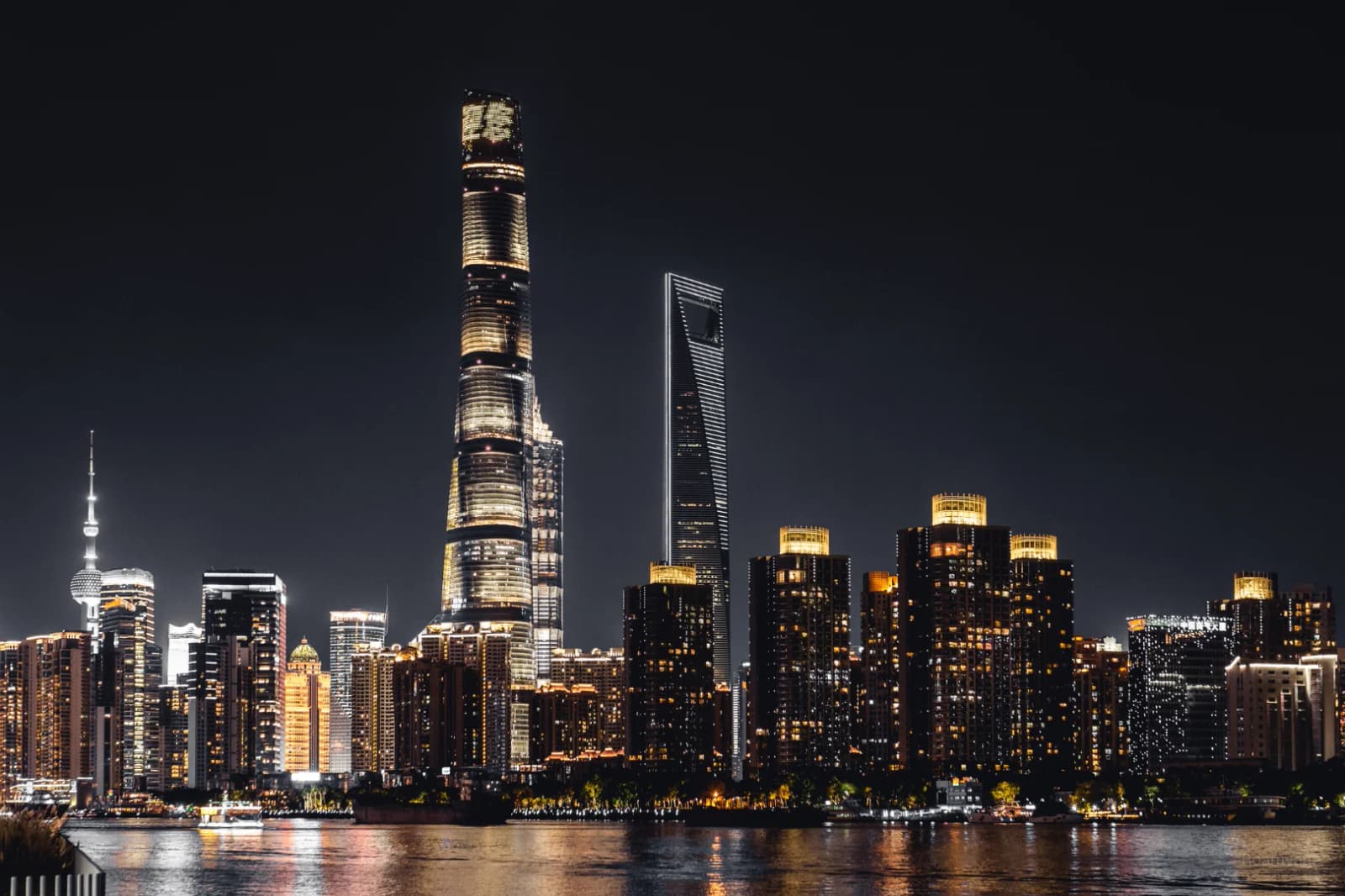
Shanghai is where old China meets tomorrow. From the Bund's colonial skyline to the futuristic towers of Pudong, our guide covers the essential experiences for first-time visitors to China's most dynamic city.