

Xi'an rewards travelers who give it more than a rushed day trip. With three full days, you experience the ancient capital at a proper pace—monumental history, incredible food, and one of China's most dramatic mountain landscapes to the east.
This itinerary assumes you have a private guide and driver—the difference between a smooth, narrated experience and figuring out bus routes to the Terracotta Warriors (which are 40 km outside the city).
| Best time to visit | March–May and September–October (15–25°C, low rainfall, fewer crowds than summer) |
| Getting there | Xi'an Xianyang Airport (XIY); high-speed rail from Beijing (5h), Chengdu (3.5h), Shanghai (7h) |
| Total budget (3 days) | $420–$700 USD per group (guide + driver + vehicle, all three days) |
| Day 1 focus | Terracotta Warriors + City Wall |
| Day 2 focus | Muslim Quarter + Big Wild Goose Pagoda + Shaanxi History Museum |
| Day 3 focus | Mount Hua (Huashan) — one of China's Five Great Mountains |
| Local specialty | Yangrou paomo, biangbiang noodles, roujiamo |
Tip: Mount Hua on Day 3 is physically demanding. If you prefer a less strenuous third day, substitute it with the Hanyang Tomb (a quieter, more intimate terracotta site) and the Tang Paradise cultural park.
Your guide and driver meet you in the hotel lobby. The drive to the Terracotta Warriors site takes 45–60 minutes. Your guide uses this time to provide the historical context: the life of Qin Shi Huang, the unification of China in 221 BC, and the emperor's obsession with immortality that led him to commission an underground army.
You arrive as the site opens. The morning light through the hangar windows is ideal for photography, and Pit 1 is quieter than it will be at 10:30 AM when the tour buses peak.
Your guide takes you through the three pits in order—Pit 1 (the main army), Pit 2 (cavalry and archers), Pit 3 (command center)—then to the bronze chariot exhibition hall. The two chariots, each pulled by four horses and cast in bronze with gold and silver inlay, are masterpieces of Qin dynasty metallurgy.
Info: The excavation is ongoing. You will see archaeologists at work in roped-off sections of Pit 1, using brushes and dental picks to expose fragments. New figures are discovered every year. The emperor's tomb itself, located 1.5 km away under a 76-meter mound, has never been excavated—historical records describe a map of China with rivers of mercury, and soil tests confirm mercury concentrations consistent with those accounts.
Eat near the Warriors site. Your guide knows a restaurant that serves biangbiang noodles—the wide, belt-like noodles that are a Shaanxi specialty—prepared by a chef who has been making them for 30 years.
Drive back to the city and ascend the South Gate of the Ancient City Wall. The wall encloses the original Ming-dynasty city in a 13.7 km rectangle, and it is wide enough on top for car traffic (though only bicycles and golf carts are permitted now).
Rent a bike and cycle the full loop. The ride takes about 90 minutes at a relaxed pace, with stops for photographs. The view alternates between the old city inside—pagoda roofs, mosque minarets, courtyard homes—and the modern high-rises outside.
Return the bike and walk the ramparts near the South Gate as the sun sets. The lanterns along the wall light up, and the gate's double-roofed tower glows amber against the darkening sky. This is Xi'an's best photo opportunity, and almost nobody stays for it.
Your guide leads you through the Muslim Quarter for dinner. Start with lamb skewers grilled over charcoal, follow with a bowl of yangrou paomo (lamb soup with hand-torn bread), and finish with a persimmon cake—a fried pastry filled with sweet persimmon paste, a Hui specialty.
Start at the Shaanxi History Museum, one of the finest museums in China. The collection spans 1.1 million years of human habitation on the Wei River plain, with particular strengths in Zhou dynasty bronzes, Tang dynasty gold and silver, and Han dynasty pottery.
Your guide focuses on the highlights: the Western Zhou bronze tripods inscribed with the earliest known Chinese characters, the Tang dynasty sancai (three-color) glazed ceramics that were traded along the Silk Road, and the gold burial objects from the Tang dynasty tombs that demonstrate the wealth concentrated in Chang'an (Xi'an's ancient name) when it was the largest city in the world.
Info: The museum is free but requires advance reservation via WeChat. Your guide handles this. Foreign passport holders enter through a separate gate with shorter queues.
Walk 15 minutes from the museum to the Big Wild Goose Pagoda in the Da Ci'en Temple complex. The pagoda was built in 652 AD to house Buddhist scriptures brought from India by the monk Xuanzang. The seven-story structure is one of the few surviving Tang dynasty buildings in Xi'an.
Climb to the top. The view north follows the city's ancient north-south axis directly to the South Gate of the City Wall.
Xi'an's dumpling culture rivals any city in China. Your guide takes you to Defachang, a restaurant established in 1936 that serves a "dumpling banquet"—a succession of dumplings in different shapes and fillings, each shaped to resemble the ingredient inside (a duck-shaped dumpling filled with duck, a walnut-shaped dumpling filled with walnut paste). It is theatrical, but the skill is real.
Return to the Muslim Quarter for a deeper exploration. Yesterday was about eating; today is about understanding. Your guide walks you through the Great Mosque (built 742 AD, Chinese architecture with Islamic function), explains the history of the Hui people (Muslim traders who settled in Xi'an during the Tang dynasty via the Silk Road), and takes you to side streets where tourists rarely venture.
Your guide recommends a restaurant outside the Muslim Quarter for a different Xi'an experience—Shaanxi cuisine beyond street food. Try crispy fried pork (锅包肉), sour soup dumplings (酸汤水饺), and cold noodles with sesame paste (麻酱凉皮).
Mount Hua is one of China's Five Great Mountains, a sacred Daoist site, and arguably the most dramatic mountain landscape accessible as a day trip from any major Chinese city. It is also famously dangerous—sections of the trail involve vertical staircases bolted to cliff faces, chain handrails, and plank walks with thousand-meter drops.
Warning: Mount Hua is not for everyone. The hiking is strenuous, and some sections require genuine nerve. If you have a fear of heights, mobility issues, or young children, substitute this day with the Hanyang Tomb and Tang Paradise (a cultural theme park based on Tang dynasty poetry and music). Your guide can arrange either.
Mount Hua is 120 km east of Xi'an. The drive takes about 2 hours. Leave early to maximize time on the mountain and beat the crowds at the cable car station.
Take the North Peak cable car—a 20-minute ride that ascends 750 vertical meters through a granite gorge. The view from the cable car is spectacular, with the mountain's five peaks rising like stone teeth from a sea of pine forest.
The classic circuit visits all five peaks, connected by trails carved into the granite. The highlights:
There are basic food stalls on the mountain serving noodles and tea. Pack snacks and water as well—the hiking burns energy fast.
Take the West Peak cable car down. This cable car is newer, faster, and drops 900 meters in 18 minutes through a landscape of sheer granite walls.
Back to Xi'an by 5:00 PM. You are exhausted, but Mount Hua is a genuine lifetime experience—a holy mountain that has drawn pilgrims for 2,000 years.
Tip: If Mount Hua is too intense, the Hanyang Tomb (the tomb of Han Emperor Jing, 156–141 BC) offers a smaller but more intimate terracotta experience. The excavation pits are glass-floored, allowing you to walk directly above the figures. It is less famous than the Terracotta Warriors but equally fascinating as a close-up archaeological experience.
Yes, with caveats. The main trails are well-maintained, and the cable cars adhere to international safety standards. The "Plank Walk in the Sky" is optional and requires a harness. Do not attempt Mount Hua in rain, snow, or heavy fog.
The Terracotta Warriors site has English signage, and the City Wall is self-explanatory. But the Muslim Quarter, the museums, and the historical context that connects everything require a guide. Xi'an's value lies in its layers—13 dynasties, Silk Road trade routes, Hui Muslim culture, and modern Chinese identity. A guide unlocks those layers.
Beijing is the political capital; Xi'an is the cultural root. If Beijing shows you what China became, Xi'an shows you what China was—and in many ways, still is.
Leon
Professional China travel guides by Roamvage. We design and operate private tours across China.
Ready to Explore China?
Browse our tours or tell us your preferences — we'll create a custom itinerary just for you.

The Terracotta Warriors are unforgettable—but Xi'an has so much more. Ancient city walls you can bike on, a Muslim Quarter that's been trading for 1,300 years, and some of the best street food in China.
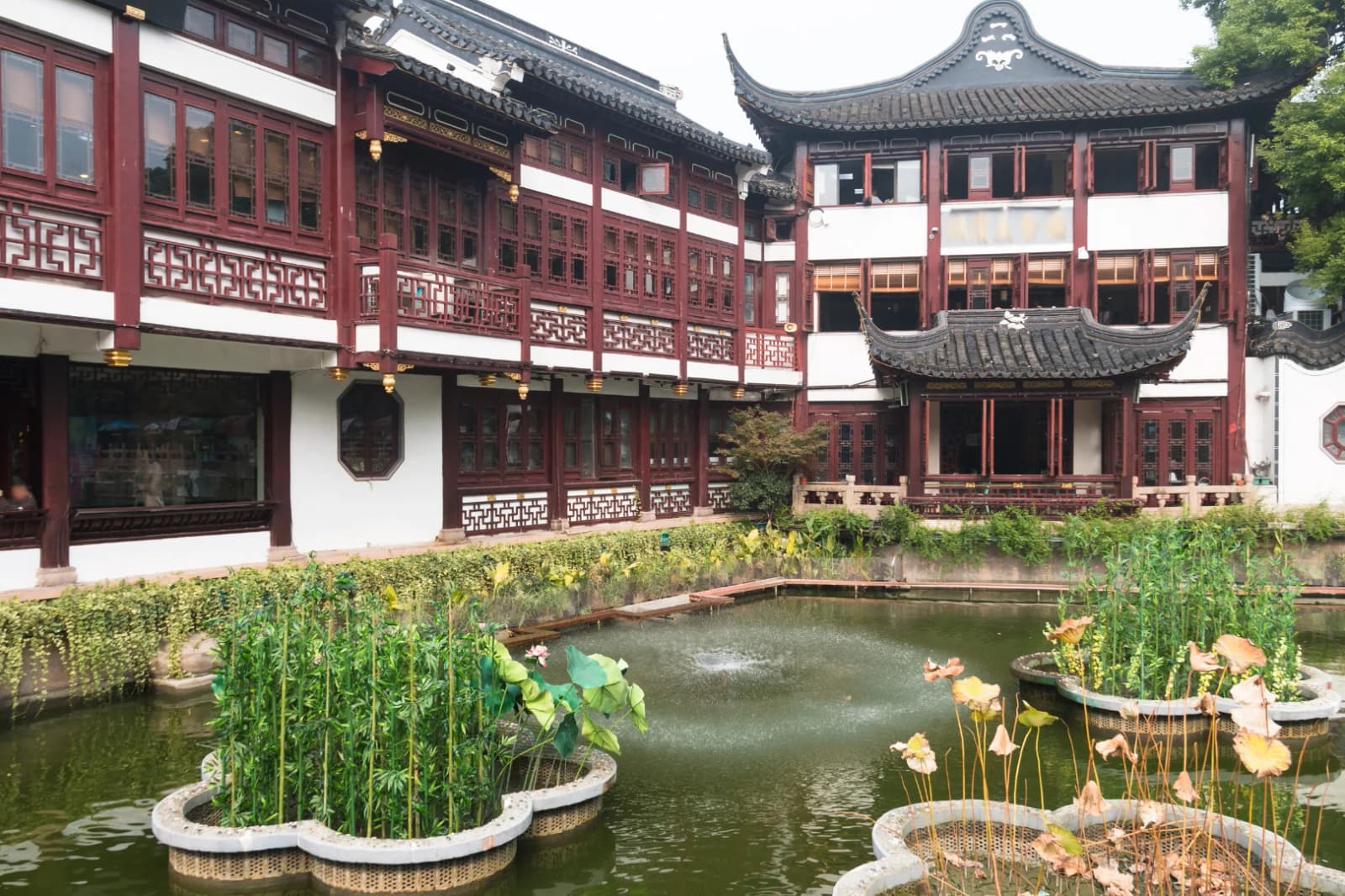
Hangzhou is just an hour from Shanghai by high-speed train—close enough for a two-day escape into classical Chinese landscape painting come to life. West Lake, tea plantations, and temple walks await.
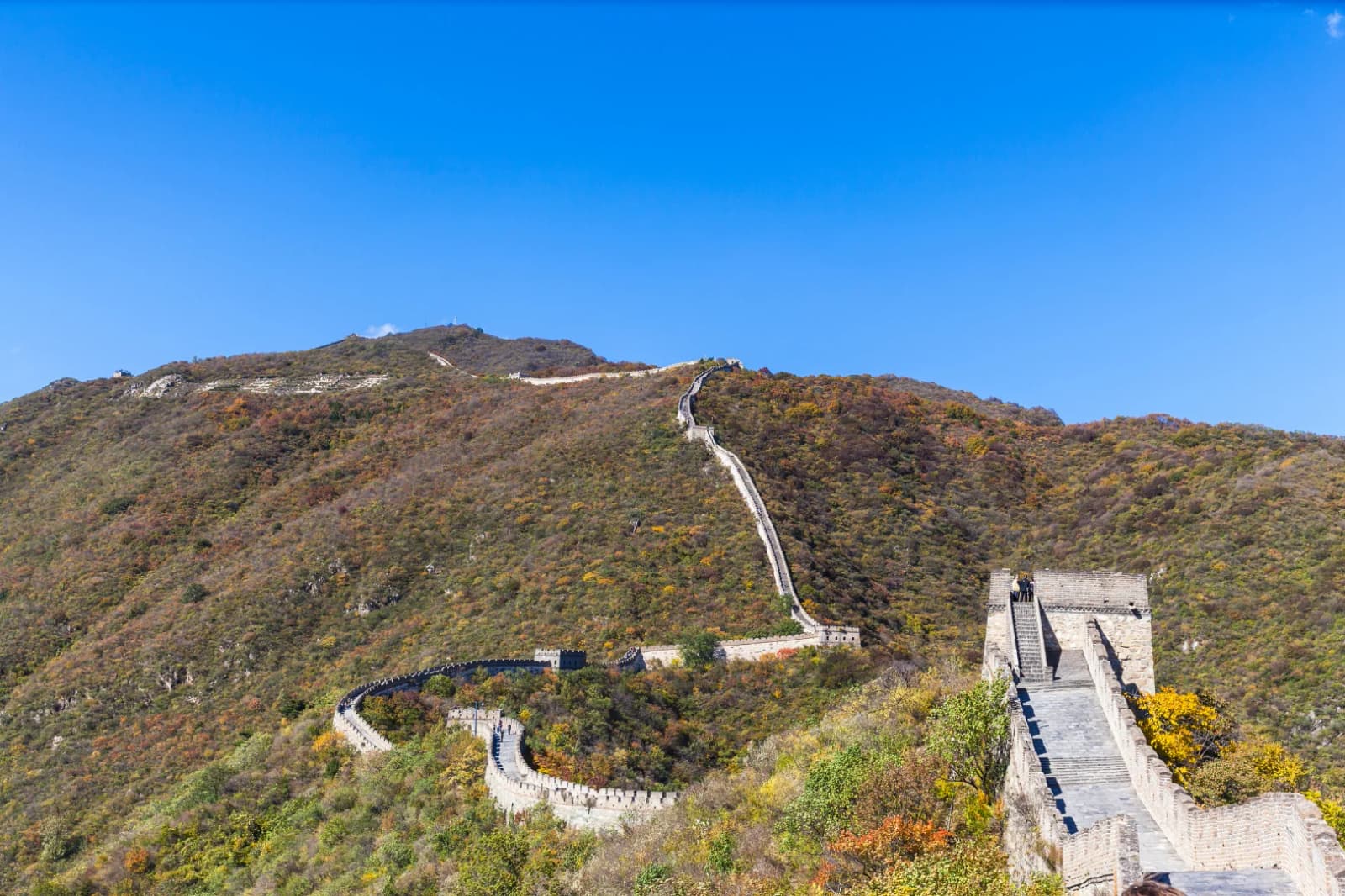
Two days in Beijing is enough to hit the highlights without burning out—if you plan it right. This day-by-day itinerary covers the Great Wall, Forbidden City, Temple of Heaven, and the best local meals in between.