
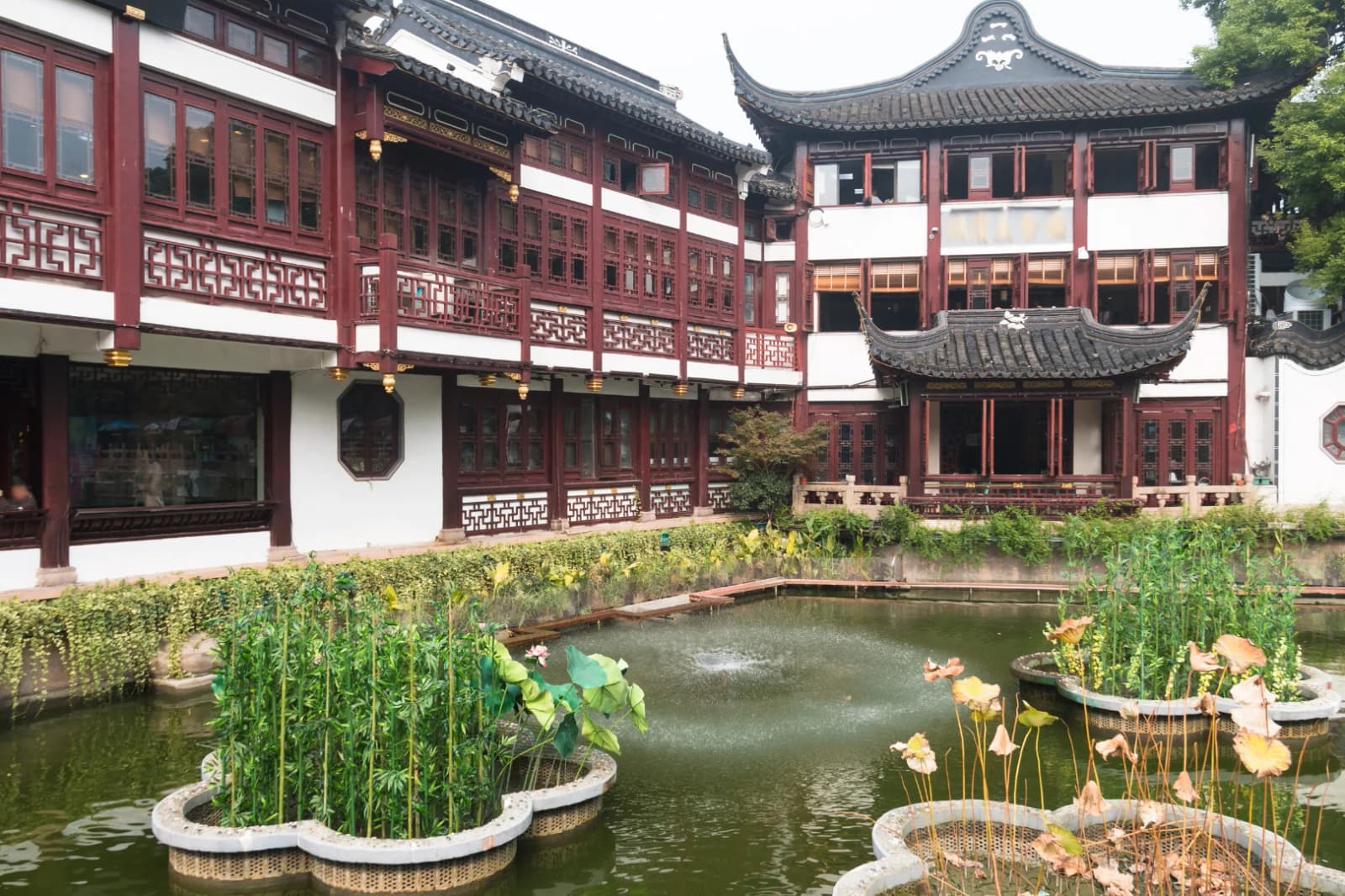
Marco Polo called Hangzhou "the city of heaven." Today, it is a one-hour bullet train ride from Shanghai and offers a completely different vision of China—one of misty lakes, ancient pagodas, and the tea culture that has defined the region for a thousand years.
This two-day itinerary is designed for travelers based in Shanghai who want to add Hangzhou as a side trip. It works with a private guide and driver for both days, either departing from Shanghai each morning or staying overnight in Hangzhou.
| Distance | 175 km from central Shanghai to Hangzhou |
| High-speed rail | 45–60 minutes from Shanghai Hongqiao to Hangzhou East |
| Private car | 2.5–3 hours door-to-door (faster than train + transfers combined for most itineraries) |
| Best time to visit | March–May (spring blossoms) and September–November (autumn foliage, clear skies) |
| Recommended duration | 2 days minimum; 1 day covers West Lake + Lingyin Temple at a sprint |
| Private tour cost | $280–$450 USD per group (guide + driver + vehicle, both days) |
Tip: Spring (March–April) is the peak season for Longjing tea harvest. If you visit during these months, ask your guide to arrange a visit to a tea plantation in the hills above West Lake. The first-flush tea, picked in late March, is the most prized.
Your driver and guide pick you up from your Shanghai hotel. The drive takes about 2.5 hours via the G60 expressway. You arrive at West Lake by 10:00 AM.
West Lake is not a single attraction—it is a UNESCO World Heritage landscape that has inspired Chinese poets, painters, and garden designers for over 1,200 years. The lake covers 6.5 square kilometers and is ringed by pagodas, causeways, gardens, and tea plantations.
Your guide leads a curated circuit that hits the three essential spots:
Info: The boat ride across West Lake takes about 20 minutes. Your guide handles the ticket and selects a boatman who takes a quieter route. The boats are traditional wooden vessels with carved dragon heads—not motorized launches.
Lunch is at a restaurant overlooking the lake. Order Longjing shrimp (shrimp stir-fried with Longjing tea leaves from the surrounding hills) and Dongpo pork (braised pork belly named after the poet Su Dongpo, who allegedly invented the recipe).
Lingyin (Temple of the Soul's Retreat) is one of the largest and most important Buddhist temples in China, founded in 328 AD by an Indian monk. The temple complex nestles into a forested valley, and the approach—through a grove of ancient camphor trees—sets the tone before you see a single building.
Inside, the Hall of the Heavenly Kings contains a 24-meter seated Maitreya Buddha carved from camphor wood. The main hall houses a 19.6-meter statue of Sakyamuni carved from 24 sections of wood and gilded in gold leaf. The scale is overwhelming, and the incense—burning in bronze urns tended by monks—fills the air with sandalwood.
Behind the main temple complex, follow the path up to Feilai Feng (Peak Flown from Afar), a limestone hill covered with over 300 Buddhist carvings dating from the 10th to the 14th centuries. The carvings are integrated into the natural rock face, some weathered into near-abstraction, others still sharp enough to read individual facial expressions.
Stay overnight in Hangzhou. Your guide recommends a dinner spot near the lake—try Louwailou, the most famous restaurant in Hangzhou, established in 1848. Order West Lake fish in vinegar gravy (a Hangzhou classic) and beggar's chicken (a whole chicken wrapped in lotus leaves and baked in clay).
Drive 20 minutes into the hills west of West Lake to Longjing (Dragon Well) Village, the birthplace of China's most famous green tea. The terraced tea bushes, planted in the 8th century, climb the hillsides in perfect geometric lines. Your guide explains how Longjing tea is graded (seven grades, from "Supreme" down), why first-flush tea commands prices of $200+ per kilogram, and how to brew it correctly: 80°C water, not boiling, steeped for exactly 90 seconds.
Visit a tea farmer's home for a tasting. The farmer will roast leaves by hand in a wok—a motion that requires 10 years to master—while you sample the finished product. This is not a souvenir-shop stop; it is an introduction to a 1,300-year-old craft.
From Longjing, drive 75 minutes northeast to Wuzhen, one of China's best-preserved water towns. Wuzhen's history spans 1,300 years, and its layout—canals as streets, stone bridges as intersections—is essentially unchanged since the Ming dynasty.
Your guide walks you through the two main sections: Dongzha (the eastern scenic area, more restored) and Xizha (the western scenic area, less commercialized). The highlights:
Lunch is at a canal-side restaurant in Wuzhen. The local specialty is braised lamb with soy sauce—a dish influenced by Hangzhou's history as a southern Song dynasty capital.
Info: Wuzhen is not a museum. Approximately 6,000 people still live in the water town, and you will see residents washing clothes in the canal, playing cards on their doorsteps, and going about life as they have for generations.
Your driver takes you back to Shanghai (2.5 hours). Arrive by 6:30 PM, in time for dinner.
Alternatively, your driver takes you directly to Hangzhou East Station for a high-speed train back to Shanghai (1 hour), and your guide assists with the ticket and platform navigation.
Tip: If you prefer to stay a second night in Hangzhou, add a visit to the National Tea Museum and the Hu Qing Yu Tang Traditional Chinese Medicine Museum on the morning of Day 3 before returning to Shanghai.
One day covers the essentials: West Lake, Lingyin Temple, and a tea tasting. But Hangzhou deserves two days—the water towns and tea villages take time, and the lake itself changes character from morning mist to afternoon sun to evening lantern light.
For a day trip, the high-speed train (1 hour) plus a local guide and driver in Hangzhou is efficient and comfortable. For a two-day trip with luggage and multiple stops (tea village, water town), a private car from Shanghai is more convenient—the door-to-door speed cancels out the train's time advantage once you factor in station transfers.
Leon
Professional China travel guides by Roamvage. We design and operate private tours across China.
Ready to Explore China?
Browse our tours or tell us your preferences — we'll create a custom itinerary just for you.
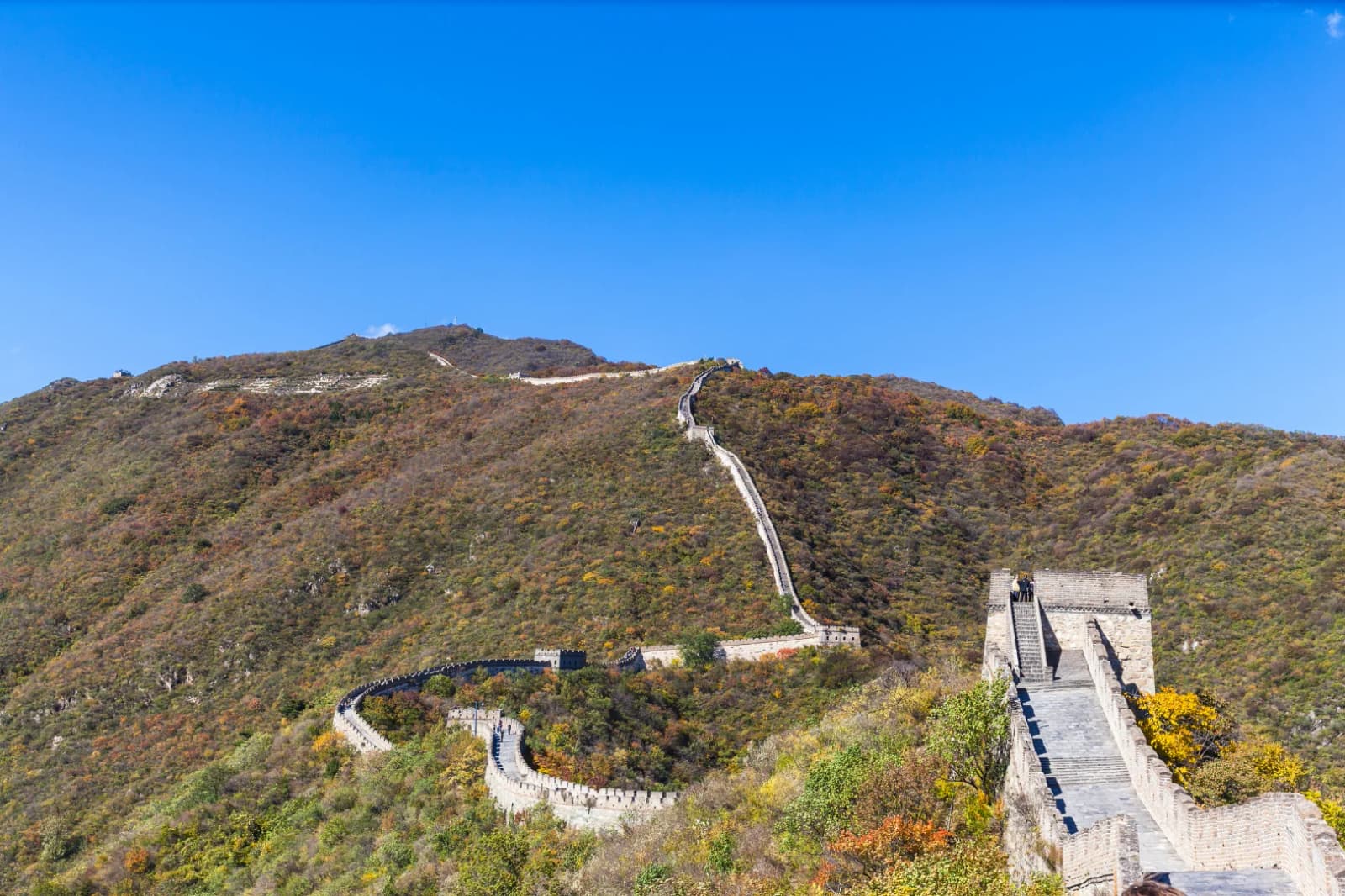
Two days in Beijing is enough to hit the highlights without burning out—if you plan it right. This day-by-day itinerary covers the Great Wall, Forbidden City, Temple of Heaven, and the best local meals in between.
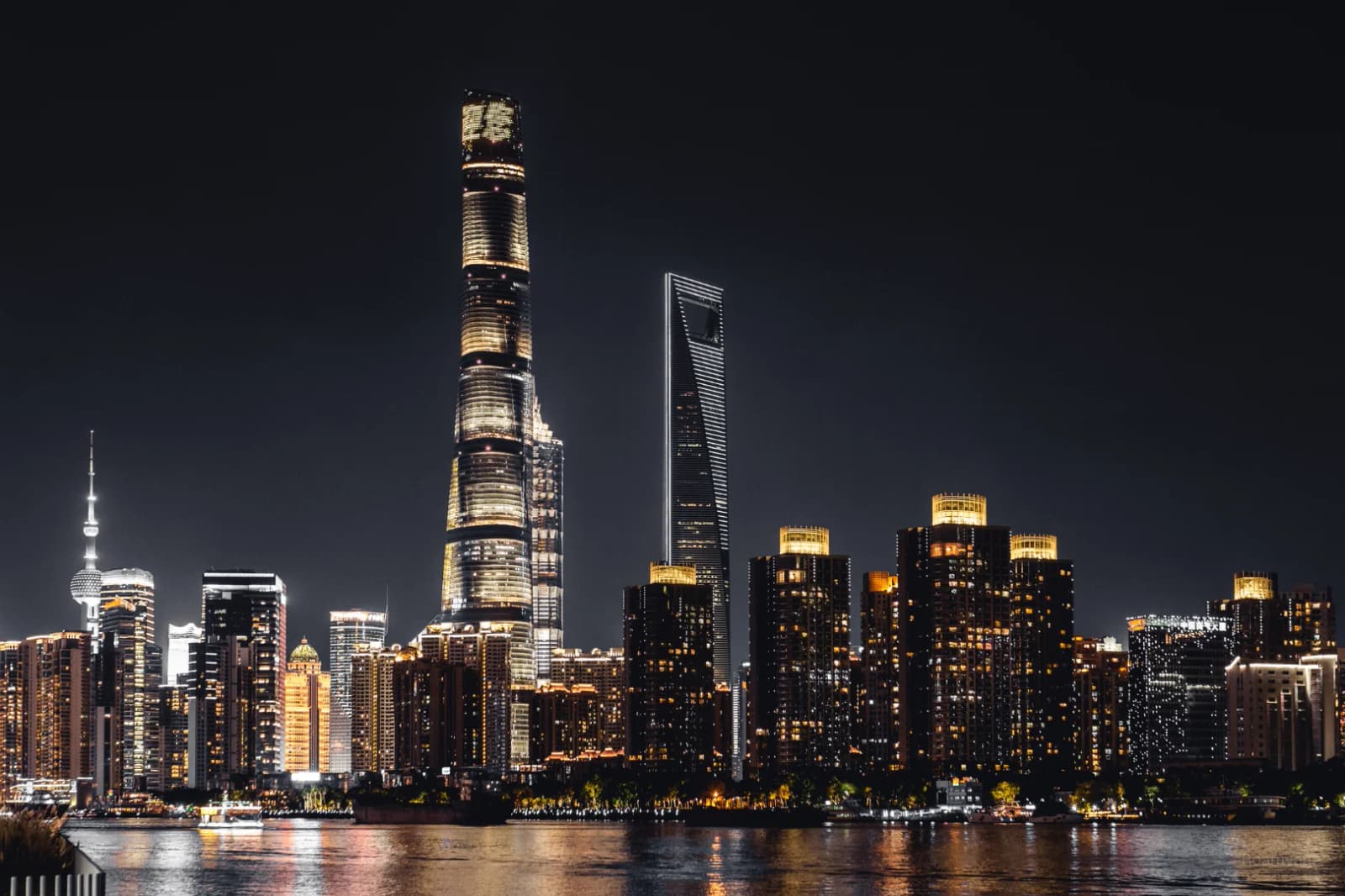
Shanghai is where old China meets tomorrow. From the Bund's colonial skyline to the futuristic towers of Pudong, our guide covers the essential experiences for first-time visitors to China's most dynamic city.

Three days is the sweet spot for Xi'an. Enough time for the Terracotta Warriors, the city wall, the Muslim Quarter, and even a side trip to Mount Hua if you are feeling adventurous.