
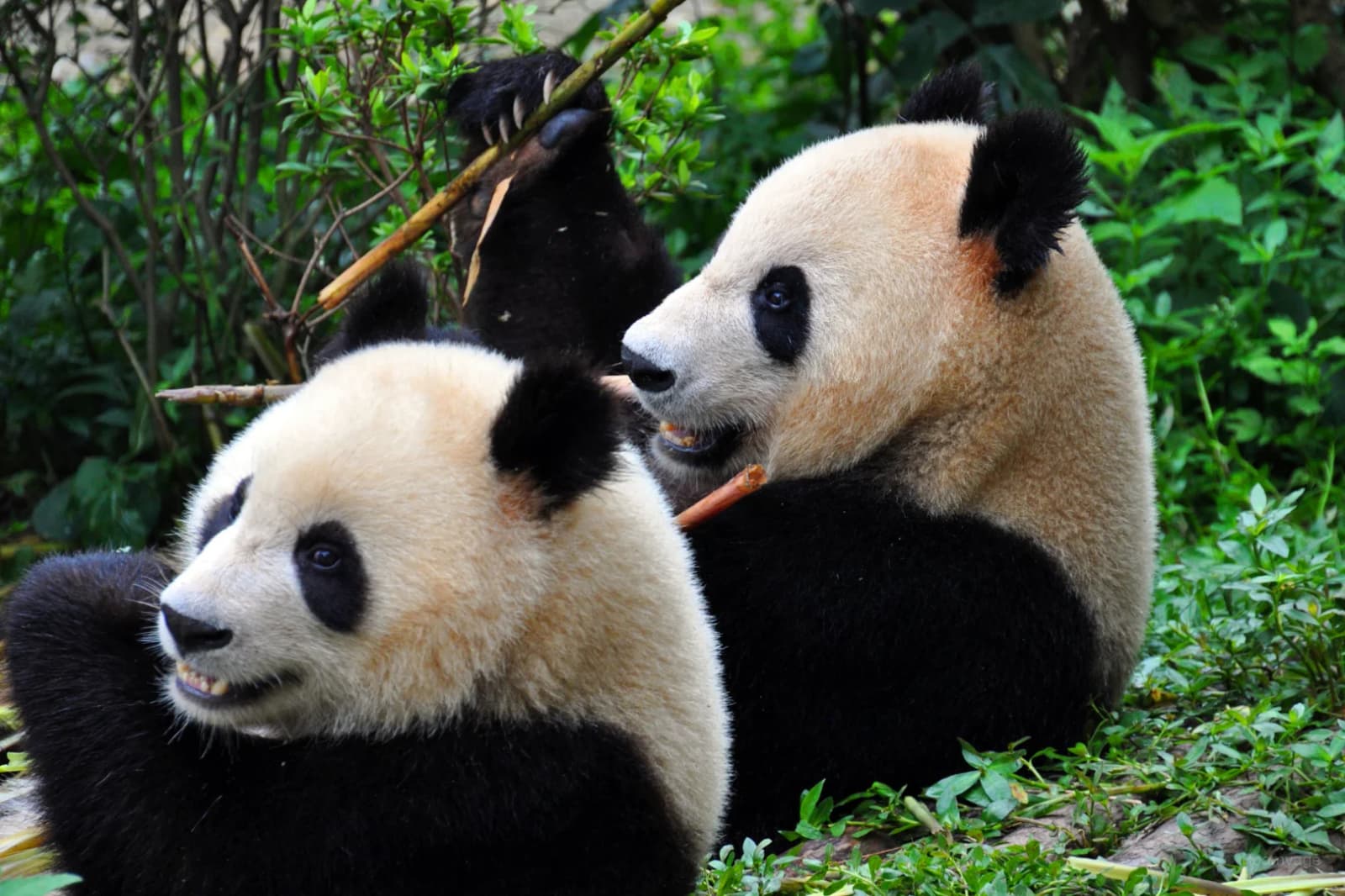
Chengdu is the kind of city that makes you reconsider your life choices. People here work to live, not the other way around. The pace is slower, the food is spicier, and the tea never stops pouring. It is China's happiest big city, and after spending time here, you understand why.
A private guide in Chengdu solves two specific problems: the language barrier at family-run restaurants (where the best food lives), and the logistics of reaching attractions spread across a metropolitan area of 16 million people.
| Best time to visit | March–June and September–November (15–25°C, less rain) |
| Getting there | Chengdu Shuangliu (CTU) or Tianfu (TFU) airports; high-speed rail from Xi'an (3.5h), Chongqing (1.5h) |
| Recommended duration | 2–3 days; one day covers pandas + city highlights |
| Private tour cost | $130–$220 USD per group (guide + driver + vehicle) |
| Top attractions | Giant Panda Base, Jinli Ancient Street, People's Park, Wuhou Shrine, Leshan Giant Buddha (day trip) |
| Local specialty | Sichuan hot pot, mapo tofu, dan dan noodles, kung pao chicken |
Tip: Go to the Panda Base at opening time (7:30 AM). Pandas are most active in the early morning when they eat breakfast. By 10:00 AM, they are asleep in the trees, and by noon the crowds are shoulder-to-shoulder.
The Chengdu Research Base of Giant Panda Breeding is the world's premier panda conservation facility, home to over 200 giant pandas. It is not a zoo—it is a breeding and research center that replicates the pandas' natural habitat across 100 hectares of bamboo forest and rolling hills.
The early arrival is everything. At 7:45 AM, the pandas are on the ground, eating bamboo, wrestling with siblings, and generally being the most charismatic animals on earth. The nursery area shows cubs from the current breeding season—sometimes as small as 150 grams, pink and hairless—in incubators. By 10:00 AM, the adult pandas have climbed into the trees and gone to sleep. You will see them, but as furry lumps wedged into branches.
Your guide handles the tickets (booked in advance), navigates the most efficient route through the park, and explains the conservation story: how the base brought the species back from under 1,000 individuals in the wild, the challenges of captive breeding (female pandas are fertile for only 24–48 hours per year), and the reintroduction program that is slowly returning captive-born pandas to protected reserves in Sichuan's mountains.
People's Park (Renmin Gongyuan) is where Chengdu's personality is on full display. Retirees practice calligraphy on the pavement with giant water brushes. Groups of friends play mahjong under trees. Matchmaking parents hang "marriage market" posters—handwritten resumes of their unmarried children—from strings tied between lampposts.
Sit at the Heming Teahouse, order a cup of jasmine tea (about $2), and watch the city happen around you. A tea pourer will refill your cup with a long-spout brass kettle, the water arcing through the air from a meter away without spilling. This is the Sichuan tea ceremony—less formal than its Japanese counterpart, but no less skilled.
Info: People's Park is free. The Heming Teahouse has been operating since the 1920s. The bamboo chairs and covered pavilion are original-style; nothing here was designed for Instagram.
Jinli Street is a restored Qing-dynasty commercial lane lined with red lanterns, wooden shopfronts, and food stalls serving everything from Sichuan cold noodles to rabbit head (a local delicacy—try it or don't, but know it exists). It is touristy, but in the best way: lively, photogenic, and a quick introduction to the breadth of Sichuan street food.
Wuhou Shrine, adjacent to Jinli, is a temple and museum dedicated to Zhuge Liang, the military strategist of the Three Kingdoms period (220–280 AD) whose intelligence is legendary in Chinese culture. The temple grounds contain ancient cypress trees, stone tablets with calligraphy by Tang and Song dynasty poets, and a sense of stillness that contrasts sharply with Jinli's bustle.
If you have a second day in Chengdu, drive 90 minutes south to Leshan. Carved into a cliff face at the confluence of three rivers, the Leshan Giant Buddha is 71 meters tall—the largest stone Buddha in the world. It was built over 90 years, starting in 713 AD, by a monk who hoped the Buddha's presence would calm the treacherous waters below (and according to historical records, the river did become calmer after the carving was completed).
You can view the Buddha from a boat on the river (the best angle for photographs of the full statue) or walk down a staircase carved into the cliff face that brings you eye-to-eye with the Buddha's toes—each one is larger than a person.
The Chengdu Giant Panda Base & Leshan Giant Buddha Private Day Tour combines the pandas in the morning with the Buddha in the afternoon. It is a long day, but it covers the two must-see experiences in the Chengdu region.
Sichuan cuisine is defined not by heat alone, but by mala—the combination of chili heat and Sichuan peppercorn that produces a unique numbing sensation. Four dishes to organize your eating around:
Leon
Professional China travel guides by Roamvage. We design and operate private tours across China.
Ready to Explore China?
Browse our tours or tell us your preferences — we'll create a custom itinerary just for you.

Chengdu is a UNESCO City of Gastronomy—and it earns the title at every meal. From fiery hot pot to delicate dan dan noodles, here is where and what to eat in Sichuan's culinary capital.
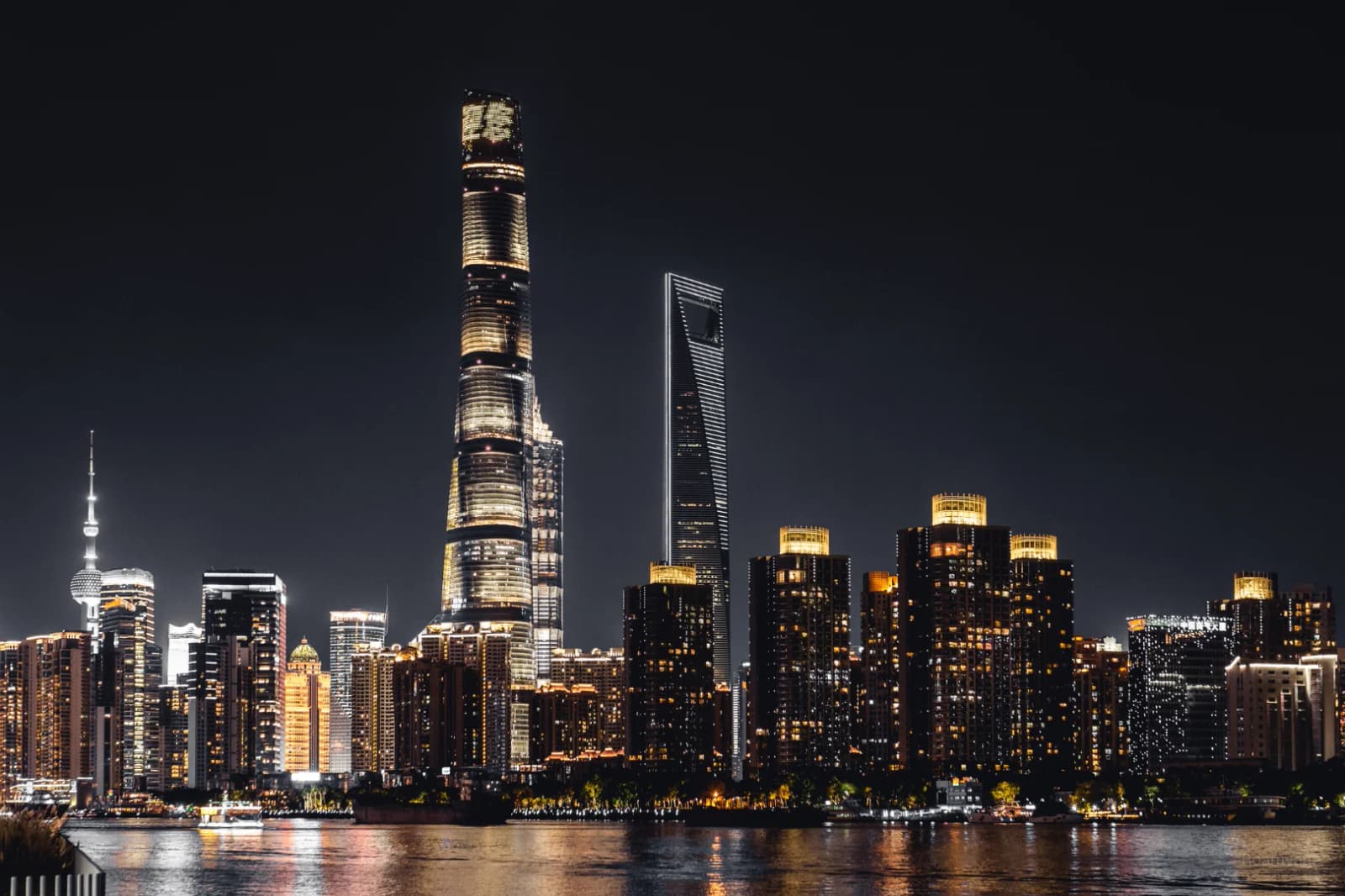
Shanghai is where old China meets tomorrow. From the Bund's colonial skyline to the futuristic towers of Pudong, our guide covers the essential experiences for first-time visitors to China's most dynamic city.

The Terracotta Warriors are unforgettable—but Xi'an has so much more. Ancient city walls you can bike on, a Muslim Quarter that's been trading for 1,300 years, and some of the best street food in China.