

Beijing is not a city you can "do" in a day. But if one day is all you have—a long layover, a business trip with a single free Sunday, or the first stop on a multi-city China itinerary—you can still experience the city's essential rhythm with the right plan.
This guide is built from seven years of guiding private tours in Beijing. It assumes you have one full day, a private vehicle, and a guide who knows which lanes to take when the traffic builds.
| Best time to visit | April–May and September–October (clear skies, 15–25°C) |
| Start time | 7:00–7:30 AM (the early start buys you 2–3 crowd-free hours) |
| Total duration | 10–12 hours door-to-door |
| Private tour cost | $150–$250 USD per group (guide + driver + vehicle) |
| What you will see | Great Wall (Mutianyu), Forbidden City, Tiananmen Square, one hutong stop |
| What you skip | Temple of Heaven, Summer Palace, Olympic sites (save them for day two) |
Tip: Book the Forbidden City at least 3 days in advance. Tickets sell out, and there is no walk-up window for foreign passport holders. Your guide can handle this, but only if you confirm early.
Your driver and guide meet you in the lobby. The first stop is Mutianyu, roughly 70 km north of the city center. Leaving at 7:00 AM puts you ahead of the tour buses, which start rolling in around 9:30.
Mutianyu is the right section for a one-day itinerary. It is fully restored, less crowded than Badaling, and surrounded by dense forest that turns gold and red in October. You take a cable car up, walk the wall for 90 minutes, and take the toboggan down—it sounds touristy, but it is genuinely one of the best things you will do in Beijing.
Your guide walks with you, pointing out the watchtower architecture, the beacon-fire signaling system, and the sections of wall visible on the ridgeline that date to the Northern Qi dynasty (550–577 AD), 800 years before the Ming dynasty rebuilt what you are standing on.
Info: Mutianyu has a gentle slope for the first 400 meters, then stairs. If mobility is a concern, your guide can adjust the route. The cable car ride up and down is included in most private tour packages.
The return drive takes about 75 minutes. Your guide should recommend a local restaurant near the Forbidden City—not a tourist banquet hall, but a place where Beijing families eat. Order zhajiangmian (fried sauce noodles) and a plate of jiaozi. Lunch is quick but real.
You enter the square from the south and walk north toward the Forbidden City entrance. The scale is the point: Tiananmen is one of the largest public squares in the world, and the combination of Mao's portrait, the Great Hall of the People, and the Monument to the People's Heroes creates a gravity that photos cannot capture.
Your guide provides the historical context—the square's construction in the 1950s, its role in modern Chinese political life, and the symbolism embedded in its layout. This is not a place to rush, but 30 minutes gives you enough time to take it in.
This is the heart of the day. The Forbidden City is not a museum in the Western sense; it is a palace complex that housed 24 emperors across two dynasties. It contains 980 buildings, and if you spent 10 seconds in front of each one, it would take you nearly three hours just to glance at everything.
With a private guide, you follow a curated route that hits the three unmissable halls (Supreme Harmony, Central Harmony, Preserving Harmony) and then moves into the living quarters and gardens that most group tours skip. Your guide explains why the roofs are gold-glazed, why the numerology of the buildings matters, and what daily life looked like for the thousands of people who lived within these walls.
Tip: Exit through the north gate (Gate of Divine Might) and walk across the street to Jingshan Park. Climb the hill—it takes five minutes—for the single best panoramic view of the Forbidden City. This is where the city's north-south axis becomes visible, and it is the photo that will define your Beijing album.
From Jingshan, your driver takes you to a hutong neighborhood—narrow alleyways that have been the basic unit of Beijing life for 700 years. Your guide walks you through a lane where residents still live in courtyard homes, explains the four-sided siheyuan architecture, and stops at a family-run tea house for a 20-minute break.
This hour is the counterweight to the imperial scale of the Wall and the Palace. It is intimate, quiet, and real.
A 12-hour day that covers the two essential Beijing experiences—the Great Wall and the Forbidden City—with a hutong palate cleanser at the end. You are tired, but you saw the things that matter.
Warning: Do not attempt this itinerary using public transit or ride-hailing. The Wall-to-Palace leg alone involves a 70 km drive. With a private vehicle and guide, you move door-to-door. Without them, you lose 3–4 hours to logistics.
A one-day itinerary means making choices. Here is what you miss and why it is acceptable:
One day covers the two essential experiences—the Great Wall and the Forbidden City. If you have two or three days, you add depth (the Temple of Heaven, Summer Palace, more hutong time). But one well-planned day with a private guide is vastly better than two days of DIY logistics.
Yes. The Wall is spectacular in snow, and the Forbidden City is less crowded from November to February. But dress warmly—temperatures drop to -5°C to -10°C, and the Wall has no indoor spaces.
Yes. It is a stainless-steel track with a hand brake, and children under 10 ride with an adult. Over 10,000 people ride it daily in peak season without incident.
Leon
Professional China travel guides by Roamvage. We design and operate private tours across China.
Ready to Explore China?
Browse our tours or tell us your preferences — we'll create a custom itinerary just for you.

Beyond the pandas, Chengdu is a city of teahouse culture, fiery cuisine, and a pace of life that famously slows down time. Discover the best of Sichuan's capital with our insider guide.
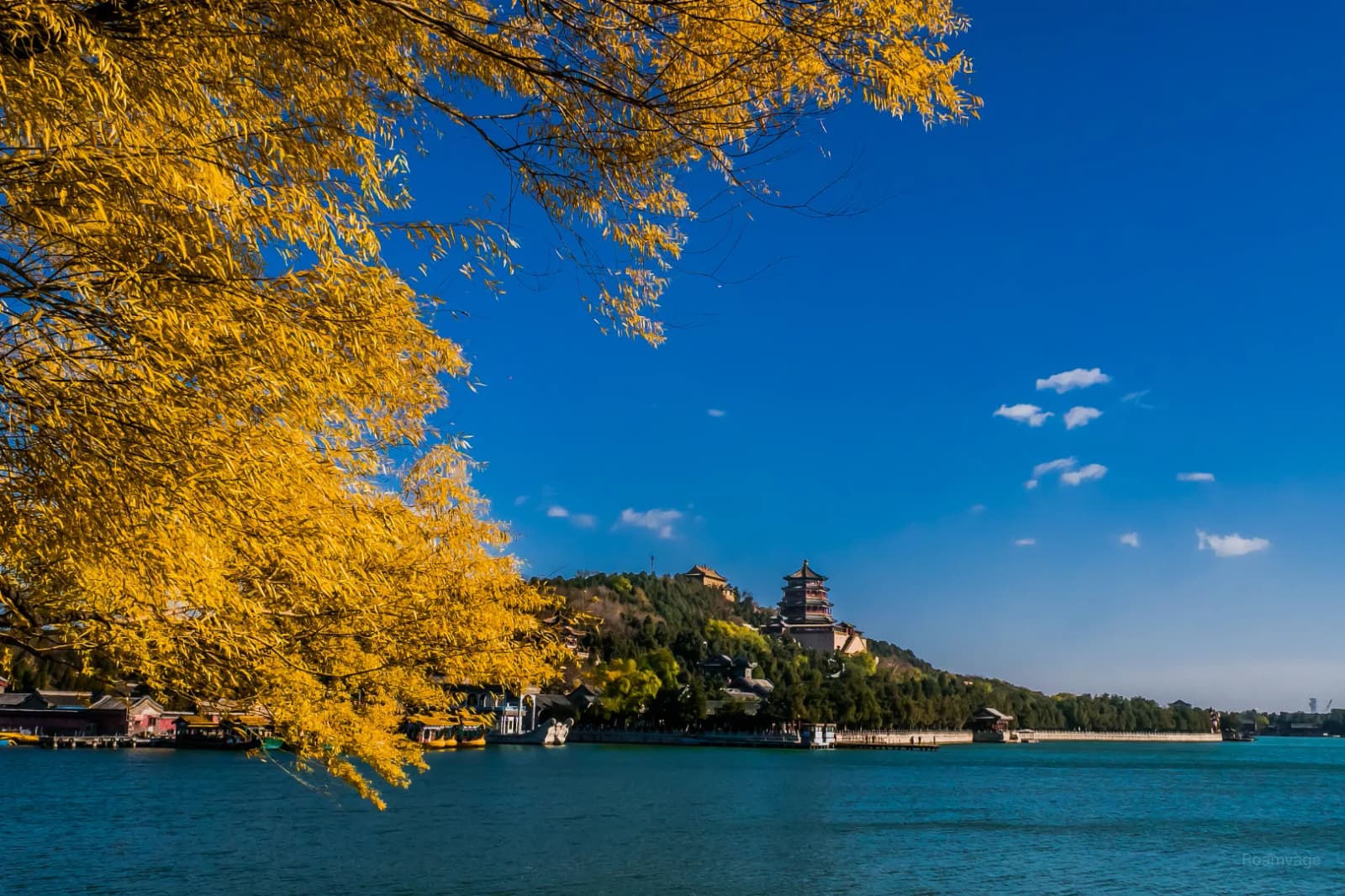
Plan your perfect Beijing private day tour with this expert guide. Covers the Great Wall, Forbidden City, Temple of Heaven, a sample 1-day itinerary, insider tips for beating the crowds, and recommended private tours for first-time visitors.
Shanghai is where old China meets tomorrow. From the Bund's colonial skyline to the futuristic towers of Pudong, our guide covers the essential experiences for first-time visitors to China's most dynamic city.