
The word "hutong" comes from Mongolian—hottog, meaning "water well" or "settlement." For over 700 years, these narrow alleyways have been the basic unit of Beijing life. They predate the Ming dynasty. They survived the Cultural Revolution. And today, they are disappearing fast.
But the ones that remain—clustered around the Drum and Bell Towers, south of the Forbidden City, and scattered through Dongcheng and Xicheng districts—offer an intimate window into a Beijing that predates skyscrapers, ring roads, and the Olympic Games. This is how to explore them.
| Origin | Yuan dynasty (1271–1368), expanded during Ming (1368–1644) and Qing (1644–1912) |
| Peak number | Over 6,000 hutongs in the 1940s |
| Current number | Approximately 1,200 surviving; roughly 400 are protected |
| Best areas | Shichahai, Nanluoguxiang, Dashilan, Dongsi, Baitasi |
| Architecture | Siheyuan (四合院) — four-sided courtyard homes with inward-facing rooms |
| Walking time | 2–3 hours for a curated route through a single neighborhood |
Info: By the 1940s, Beijing had over 6,000 hutongs. Urban redevelopment since the 1980s has erased more than 80% of them. The ones that survive are concentrated in the old city (inside the 2nd Ring Road), and many are now protected under municipal preservation laws passed in the early 2000s.
A Beijing hutong is not just a picturesque alley. It is a complete urban system, designed around the siheyuan—a four-sided courtyard home that housed a single extended family.
A standard siheyuan follows strict rules:
The gate is the most revealing architectural element of a siheyuan. What looks like a generic wooden doorway to a casual visitor contains a code that reveals the original owner's social rank:
Your guide explains this code as you walk. Once you learn to read it, every hutong street becomes a text.
Duration: 2–3 hours Start: Shichahai subway station (Line 8) End: Drum Tower
This is the classic introductory route. Start at Shichahai, a chain of three lakes (Qianhai, Houhai, Xihai) that have been a leisure destination since the Yuan dynasty. Walk north along the lakeshore, past the Silver Ingot Bridge (Yinding Bridge) where the canal narrows to a single arch, then turn west into the hutongs of the Houhai area.
The lanes here are narrow—some barely 3 meters wide—and the siheyuan are a mix of private residences, boutique hotels, and craft breweries. The contrast between ancient architecture and modern commerce is the contemporary Beijing story: a 500-year-old courtyard house repurposed as a coffee shop, a Ming dynasty temple converted into a cocktail bar.
Continue north to the Drum Tower, built in 1272 and rebuilt in 1420. The tower's 25 drums were beaten to mark the hours—a system that governed Beijing's daily rhythm for six centuries. Climb to the top for a view over the hutong rooftops, the gray-tiled sea that was Beijing's original urban form.
Duration: 2 hours Start: Qianmen subway station (Line 2) End: Liulichang
Dashilan is Beijing's oldest commercial street, established during the Ming dynasty. For over 500 years, it was the city's premier shopping district—the place to buy silk, tea, traditional medicine, opera costumes, and everything else a Qing dynasty Beijing resident might need.
Today, Dashilan is a mix of restored shopfronts selling traditional goods and working-class residential lanes where families have lived for generations. Walk south from the main street into the side alleys—Langfang Toutiao, Langfang Ertiao, Langfang Santiao—where the tourist crowd thins and the hutong becomes residential again. You will see residents playing chess on stools outside their gates, laundry drying on lines strung between buildings, and the occasional elderly resident sweeping the alley with a handmade broom.
Continue west to Liulichang, a street of antique shops, calligraphy studios, and bookstores that has been a gathering place for Beijing's literati since the Qing dynasty. Even if you are not buying, the shopfronts—with their carved wooden facades, red lacquer pillars, and hand-painted signs—are worth the walk.
Duration: 2.5 hours Start: Dongsi subway station (Lines 5 and 6) End: Baitasi Temple
The Dongsi neighborhood, east of the Forbidden City, has some of the best-preserved siheyuan architecture in Beijing. It was historically a residential area for mid-ranking officials and wealthy merchants, and the gate architecture reflects this: four-bracket lintels, carved stone piers, and decorative screen walls are common.
Walk west from Dongsi toward Baitasi (White Dagoba Temple), a Yuan-dynasty Tibetan Buddhist stupa built in 1271 that rises 51 meters above the surrounding hutongs. The temple was designed by a Nepali architect, Araniko, invited to Beijing by Kublai Khan. It is one of the oldest surviving structures in Beijing and is surrounded by a network of narrow hutongs that have been carefully restored in recent years.
Tip: The Baitasi hutong area has several excellent rooftop cafes where you can sit above the alleyways and watch the sun set behind the white dagoba. Ask your guide for the one with the best view—it changes as buildings are renovated.
The single best thing you can do in a hutong is sit in a courtyard. Several family-run tea houses operate inside converted siheyuan, where the inner courtyard is open to the sky and the surrounding rooms have been turned into intimate seating areas.
Order jasmine tea. Listen to the birds—many Beijing residents keep caged songbirds and hang the cages in their courtyard trees. Watch the light change as the sun moves across the square of sky above you. This is not a tourist performance; it is an authentic leisure practice that Beijing residents have been doing for centuries.
The best street food in Beijing is found in hutong neighborhoods, not in restaurants. Look for:
Info: Many hutong food vendors are elderly residents supplementing their retirement income. They typically sell one item, made from a recipe passed down through generations. If a vendor has been in the same spot for decades—ask your guide—the food is almost certainly excellent.
Beijing's hutongs are caught between preservation and development—and they are losing. Since the 1980s, massive urban redevelopment has erased over 4,000 hutong neighborhoods. Entire blocks have been replaced by office towers, shopping malls, and wide boulevards designed for cars, not pedestrians.
The hutongs that survive are protected, but protection creates its own tensions. In restored areas like Nanluoguxiang, rising property values have pushed out long-time residents, replacing family homes with tourist-oriented businesses. The architecture remains, but the community that gave the hutong its soul is disappearing.
The best hutong walks are in neighborhoods where the balance is still intact: residents living their lives, a few small businesses integrated into the fabric, and alleyways that feel lived-in rather than curated. Your guide knows which neighborhoods are in that balance today. The answer changes every year.
Tip: The hutongs are not a tourist attraction first—they are a neighborhood. The best hutong experiences happen when you walk slowly, stop for tea, and let the alley reveal itself. The architecture is the frame. The people are the picture.
Leon
Professional China travel guides by Roamvage. We design and operate private tours across China.
Ready to Explore China?
Browse our tours or tell us your preferences — we'll create a custom itinerary just for you.
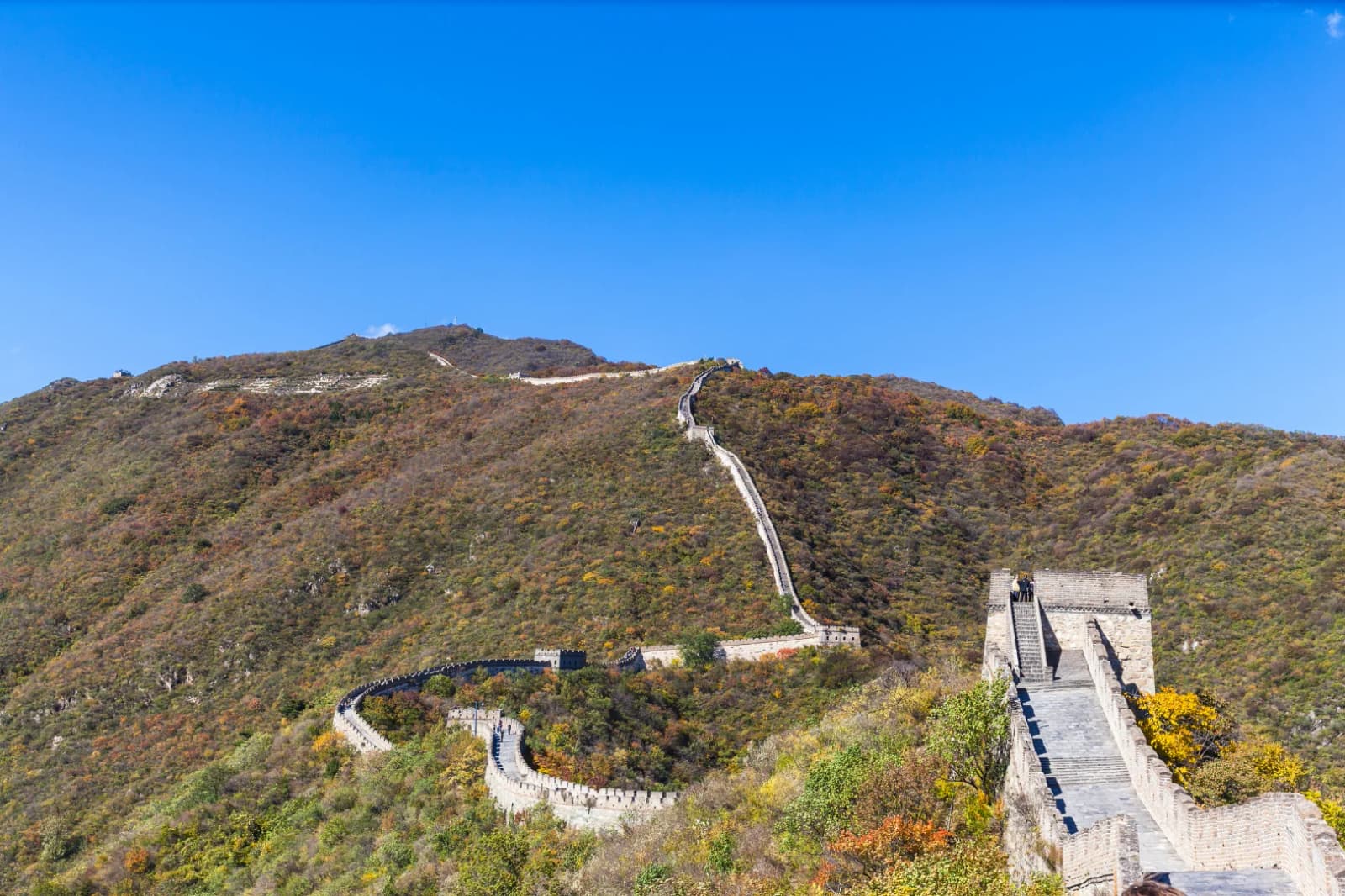
Two days in Beijing is enough to hit the highlights without burning out—if you plan it right. This day-by-day itinerary covers the Great Wall, Forbidden City, Temple of Heaven, and the best local meals in between.
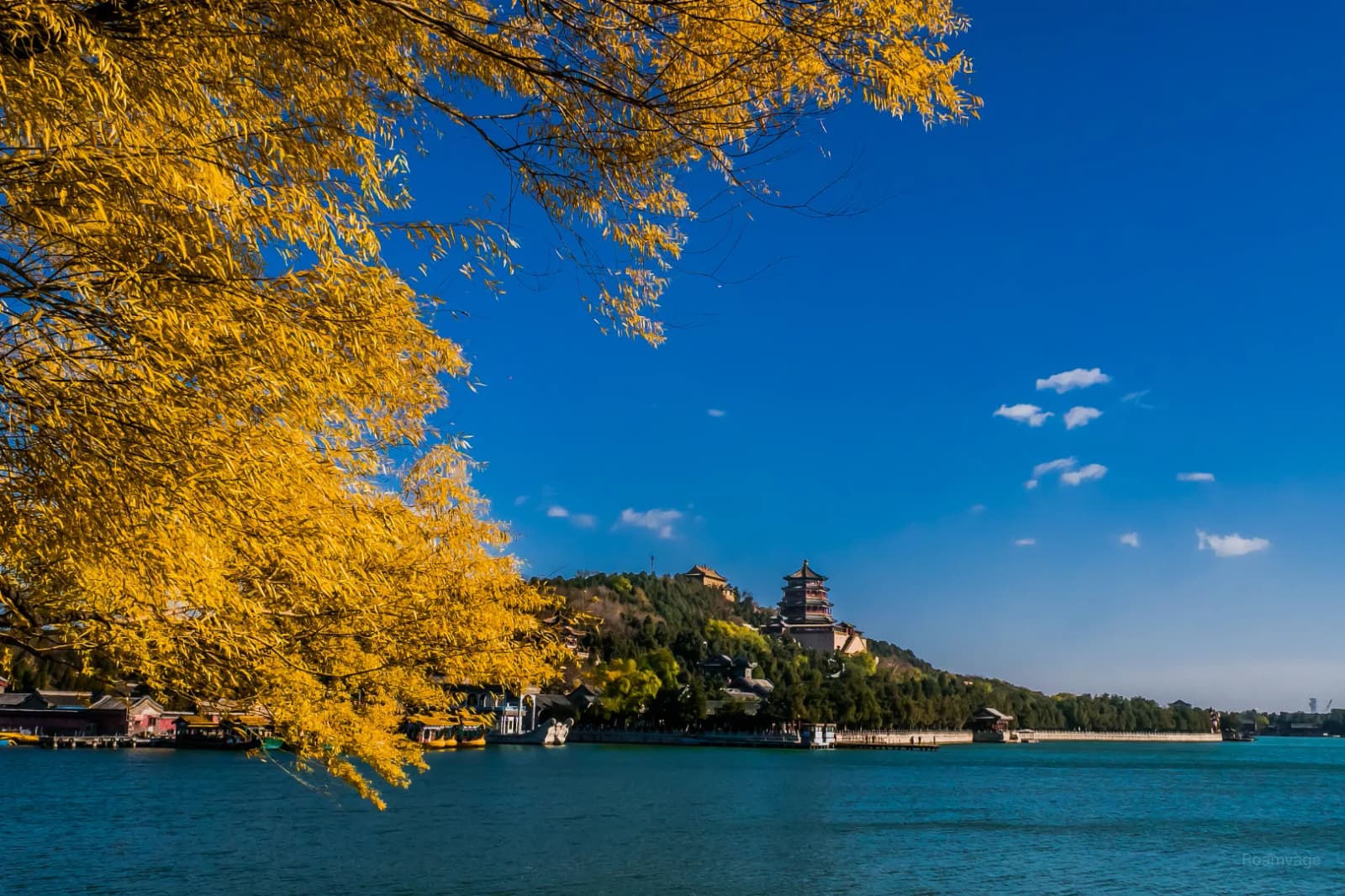
Plan your perfect Beijing private day tour with this expert guide. Covers the Great Wall, Forbidden City, Temple of Heaven, a sample 1-day itinerary, insider tips for beating the crowds, and recommended private tours for first-time visitors.

Chengdu is a UNESCO City of Gastronomy—and it earns the title at every meal. From fiery hot pot to delicate dan dan noodles, here is where and what to eat in Sichuan's culinary capital.